Best AI Tools for Passive Income can help creators, freelancers, bloggers, and small business owners build income systems that need less daily manual work. AI can help with writing, design, video creation, automation, research, and marketing. The important point is simple: AI does not create passive income by itself. You need a useful product, audience, traffic source, or business model.
A creator in the USA can use AI to build a digital product, publish a niche website, create YouTube content, sell templates, or automate parts of an online store. The work can become more efficient when the right tools are connected to a clear income strategy.
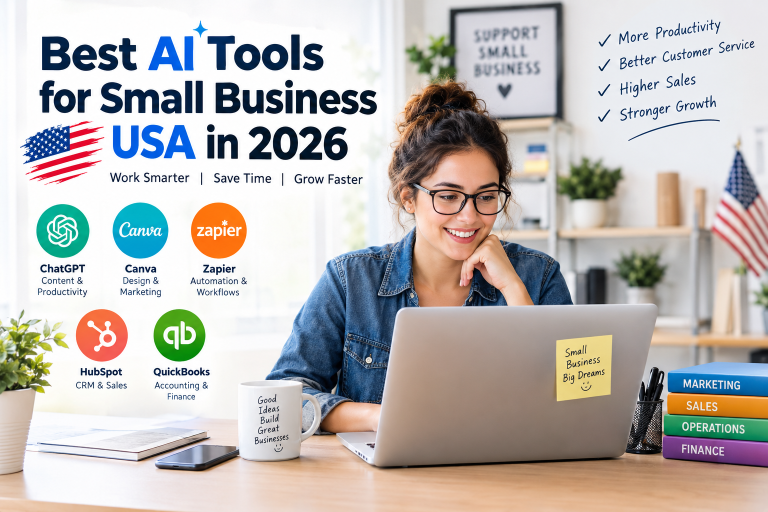
For example, someone can use ChatGPT for content planning, Canva for visual design, and Zapier for automation. A digital product can then be promoted through a website, email list, Pinterest, YouTube, or social media.
AI-powered income is becoming more accessible because many tools now combine content creation, automation, and creative features in one platform.
What Are the Best AI Tools for Passive Income

The best AI tools for passive income are software platforms that help you create assets or automate processes that can continue producing value after the initial work is completed.
Common passive-income models include:
- AI-assisted blogs and niche websites
- Digital products and templates
- Print-on-demand designs
- YouTube and faceless video channels
- Affiliate marketing websites
- Email newsletters
- Online courses
- Automated lead-generation systems
- AI-assisted ebooks and guides
- Subscription-based digital products
The goal is not to publish hundreds of low-quality AI articles. A better strategy is to use AI to reduce repetitive work while keeping human research, editing, experience, and quality control.
For example, a small website owner could use AI to research article ideas, create an initial outline, generate supporting visuals, and automate parts of email marketing. The owner still checks facts and improves the final content.
Best AI Tools for Passive Income: Quick Comparison
| AI Tool | Best For | Passive Income Use | Ease of Use | Starting Cost |
|---|---|---|---|---|
| ChatGPT | Writing & research | Blogs, ebooks, ideas | Very Easy | Free |
| Canva | Design | Templates, printables | Very Easy | Free/Paid |
| Zapier | Automation | Automated workflows | Easy | Free/Paid |
| ElevenLabs | AI voice | Videos, narration | Easy | Free/Paid |
| Midjourney | AI images | Art, products, content | Easy | Paid |
| Gumroad | Digital selling | Ebooks, templates, courses | Very Easy | Free to start |
| Descript | Video/audio | YouTube, podcasts | Easy | Free/Paid |
ChatGPT — Best AI Tool for Content-Based Income
ChatGPT is one of the most flexible tools for building an AI-assisted income workflow.
It can help with:
- Blog outlines
- Product descriptions
- Ebook planning
- Email newsletters
- YouTube scripts
- Keyword research ideas
- Social media content
- Business brainstorming
- Research assistance
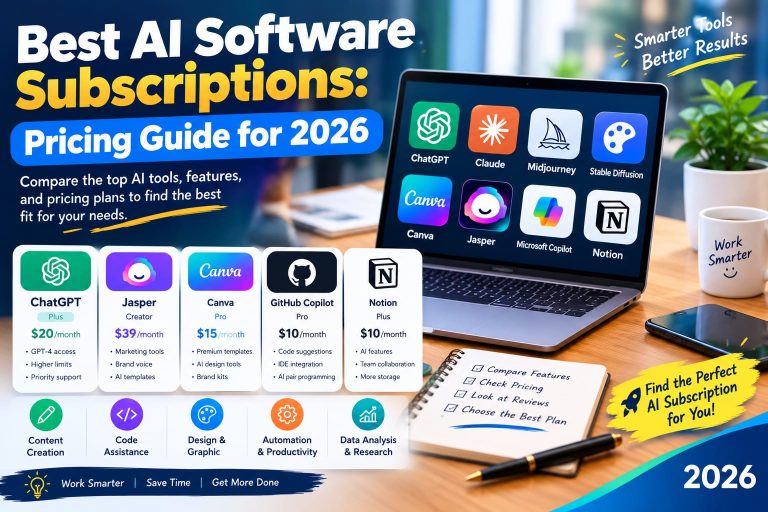
ChatGPT has a free option, while paid plans provide expanded access and additional capabilities. OpenAI currently lists ChatGPT Plus at $20 per month.
Real-world example
Imagine a US creator wants to build a personal-finance blog. ChatGPT can help create article outlines, explain complicated concepts in simple language, generate FAQ ideas, and develop email newsletter topics.
The creator should add personal experience, verify financial information, and edit every article before publication.
Best for: Bloggers, newsletter creators, affiliate marketers, and digital-product creators.
Canva — Best AI Tool for Digital Products
Canva is useful for people who want to turn ideas into visual products.
Canva’s AI-powered Magic Studio includes tools for generating and editing visual content. Canva describes Magic Studio as a collection of AI-powered tools designed to make design and content creation easier.
You can create:
- Printable planners
- Social media templates
- Presentation templates
- Worksheets
- Checklists
- Business templates
- Ebook covers
- Pinterest graphics
- Printable wall art
Real-world example
A creator could build a collection of 50 social media templates for small US businesses. The templates can be sold as a digital download. Once the product is created and listed, customers can purchase it without the creator manually designing every order.
Best for: Etsy sellers, template creators, bloggers, coaches, and small businesses.
Zapier — Best AI Tool for Passive Automation
Zapier is designed to connect apps and automate repetitive workflows.
A passive-income business may involve many small tasks:
- Collecting email subscribers
- Sending confirmation emails
- Adding leads to a spreadsheet
- Sending customer notifications
- Updating databases
- Connecting forms with email platforms
- Triggering follow-up workflows
Zapier offers a free Agents plan with up to 400 automated activities per month. Paid options provide higher limits and additional capabilities.
Real-world example
A digital-product seller can connect a website form to an email marketing platform. When someone downloads a free checklist, the automation can add that person to a newsletter sequence.
The creator does not need to manually add every subscriber.
Best for: Automation, lead generation, newsletters, and online businesses.
ElevenLabs — Best for AI Voice Content
AI voice tools can help creators produce narration for videos, educational content, podcasts, and other media.
A creator can prepare a script, create narration, edit the video, and publish it on YouTube or another platform.
Possible income models include:
- YouTube advertising
- Affiliate marketing
- Sponsored content
- Educational videos
- Audiobook-related projects
- Voice-based digital products
Always check the platform’s commercial-use rules and licensing terms before monetizing AI-generated content.
Best for: Faceless YouTube channels, educational content, and narration.
Midjourney — Best AI Tool for Visual Products
Midjourney can help creators generate original-looking visual concepts and artwork.
Potential uses include:
- Wall-art concepts
- Marketing visuals
- Creative illustrations
- Product mockups
- Brand inspiration
- Social media graphics
Creators should carefully review commercial licensing and platform rules before selling AI-generated images.
Best for: Designers, print-on-demand creators, visual marketers, and artists.
Gumroad — Best Platform for Selling AI-Assisted Products
Gumroad is not an AI generator. It is a platform that can help creators sell digital products.
You can use AI tools to help create:
- Guides
- Templates
- Checklists
- Notion resources
- Mini-courses
- Digital workbooks
- Prompt collections
AI can reduce production time, while Gumroad can handle parts of the selling and delivery process.
Real-world example
A US freelancer could create a beginner’s social-media planning workbook. AI can help brainstorm sections and examples. Canva can handle the design. Gumroad can deliver the final digital file after purchase.
The creator’s main ongoing work becomes marketing, customer support, and improving the product.
Pros and Cons of Using AI for Passive Income
Pros
- Saves time on repetitive tasks
- Reduces some production costs
- Helps beginners create content faster
- Supports digital-product businesses
- Makes automation easier
- Can support multiple income streams
- Helps creators scale existing workflows
Cons
- AI tools do not guarantee income
- Subscription costs can increase
- AI content can contain mistakes
- Competition is high
- Low-quality AI content can damage trust
- Some platforms have specific AI-content rules
- Human editing is still important
The biggest mistake is treating AI as a money-making button. A tool is only useful when it supports a business model people actually want.
Best AI Tools for Passive Income: Performance Table

| Tool | Content | Automation | Design | Income Potential | Beginner Friendly |
|---|---|---|---|---|---|
| ChatGPT | 5/5 | 4/5 | 3/5 | 5/5 | 5/5 |
| Canva | 4/5 | 3/5 | 5/5 | 5/5 | 5/5 |
| Zapier | 3/5 | 5/5 | 2/5 | 5/5 | 4/5 |
| ElevenLabs | 4/5 | 3/5 | 3/5 | 4/5 | 4/5 |
| Midjourney | 3/5 | 2/5 | 5/5 | 4/5 | 4/5 |
| Gumroad | 3/5 | 4/5 | 2/5 | 5/5 | 5/5 |
| Descript | 4/5 | 3/5 | 4/5 | 4/5 | 4/5 |
Ratings are practical editorial estimates, not guaranteed earnings scores.
AI Passive Income Pricing Comparison
| Tool | Free Option | Paid Starting Point | Best Use |
|---|---|---|---|
| ChatGPT | Yes | Plus: $20/month | Writing & research |
| Canva | Yes | Pro: varies by plan | Digital products |
| Zapier | Yes | Paid plans available | Automation |
| ElevenLabs | Yes | Paid plans available | Voice |
| Midjourney | No traditional free tier | Paid plans | Images |
| Gumroad | No monthly subscription required | Transaction-based model | Digital sales |
| Descript | Yes | Paid plans available | Video/audio |
Prices and features can change, so check each company’s official pricing page before purchasing. For example, OpenAI currently lists ChatGPT Plus at $20/month, while Zapier’s current Agents pricing includes a free plan and paid tiers.
How to Build a Passive Income System With AI
A simple workflow can look like this:
Step 1: Pick one income model
Choose one:
- Blog
- YouTube
- Digital products
- Affiliate marketing
- Newsletter
- Templates
Step 2: Pick one audience
A specific audience is easier to target than everyone.
Examples:
- US real estate agents
- Fitness beginners
- Small business owners
- Freelancers
- Teachers
- Online sellers
Step 3: Create the first product
Use AI for research and planning. Use Canva for design. Add your own knowledge and experience.
Step 4: Build a traffic source
Publish useful SEO content, YouTube videos, Pinterest content, or social media posts.
Step 5: Automate repetitive tasks
Use Zapier or similar automation tools to connect forms, email, spreadsheets, and other services.
Step 6: Improve based on results
Track clicks, sales, email subscribers, search traffic, and customer feedback.
For internal linking, connect this article to related content on your website. For example, if your website already has an article about AI tools for Shopify sellers, add a contextual link using anchor text such as “AI tools for Shopify sellers”. This helps readers discover related content and creates a stronger internal site structure.
You can also link to relevant official resources such as OpenAI, Canva, and Zapier as outbound references.
FAQs About Best AI Tools for Passive Income
1. What is the best AI tool for passive income?
ChatGPT is one of the best all-purpose options because it can support research, writing, planning, product development, and marketing. The best choice depends on your income model.
2. Can AI really create passive income?
AI can help create systems and products that generate income with less ongoing manual work. It does not guarantee passive income. You still need a useful offer, traffic, marketing, and customer value.
3. Can I start AI passive income with no money?
Yes. Several tools offer free plans or free options. A beginner can start with free AI tools, create useful content, and upgrade only after the project starts generating results.
4. What is the easiest AI passive income idea?
Digital products are one of the simplest options for beginners. Templates, checklists, guides, and printable resources can be created once and sold repeatedly.
5. How much money can AI passive income make?
There is no fixed amount. Income depends on the product, audience, traffic, pricing, competition, and marketing. Avoid websites that promise guaranteed monthly earnings from AI tools.
Conclusion: Which AI Tool Wins?
The best AI tools for passive income depend on what you want to build.
ChatGPT wins for overall versatility. It can support research, writing, planning, and product creation.
Canva wins for digital products. Its AI-powered design features can help beginners create templates, graphics, and other visual assets.
Zapier wins for automation. It can connect different applications and reduce repetitive business tasks.
The strongest strategy is not choosing one tool and expecting it to make money. Build a complete system. Use AI for production, create something people need, build an audience, automate repetitive tasks, and keep improving the offer